



Copyright © 2025-2028 Toffs (Shandong) Machinery Equipment Co., Ltd All Rights Reserved 鲁ICP备2025142590号-1
Use of enzymatic reactors in soup stock production.
2025-07-03 15:51:21View:
Use of enzymatic reactors in soup stock production
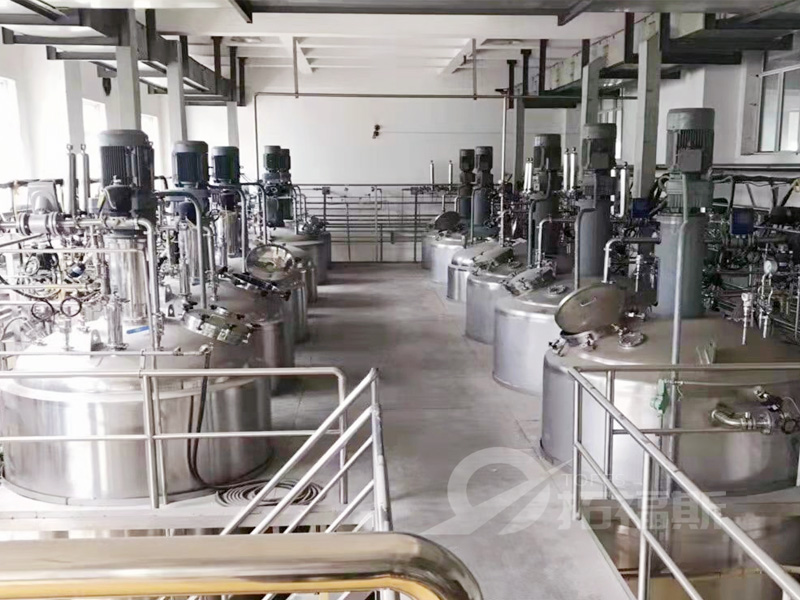
The enzymatic hydrolysis tank serves as a core equipment in modern soup processing, significantly enhancing product quality and production efficiency through the targeted catalytic action of biological enzymes. Its key functions include:
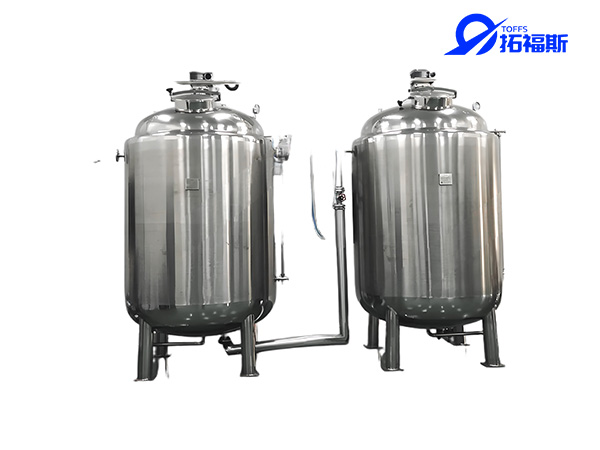
Efficiently decomposing macromolecules like proteins and cellulose in meat, bone, or plant raw materials, converting them into small molecular peptides, amino acids, and soluble sugars to improve nutrient absorption in broths;
Operating under mild conditions of 40-60°C to fully preserve original flavor substances and heat-sensitive nutrients in ingredients;
Shortening traditional boiling time by over 50% through precise control of hydrolysis duration and pH, while boosting umami substance concentration by 30%-40%;
Featuring automated temperature control and stirring systems to ensure consistent flavor across production batches. This technology is particularly ideal for manufacturing high-end bone soups, vegetable thick soups, and seafood seasoning bases.
More recommendations