



Copyright © 2025-2028 Toffs (Shandong) Machinery Equipment Co., Ltd All Rights Reserved 鲁ICP备2025142590号-1
The Application of Enzymatic Hydrolysis Tanks in the Bone Soup Industry The enzymatic hydrolysis ta
2026-02-25 10:41:24View:
The Application of Enzymatic Hydrolysis Tanks in the Bone Soup Industry
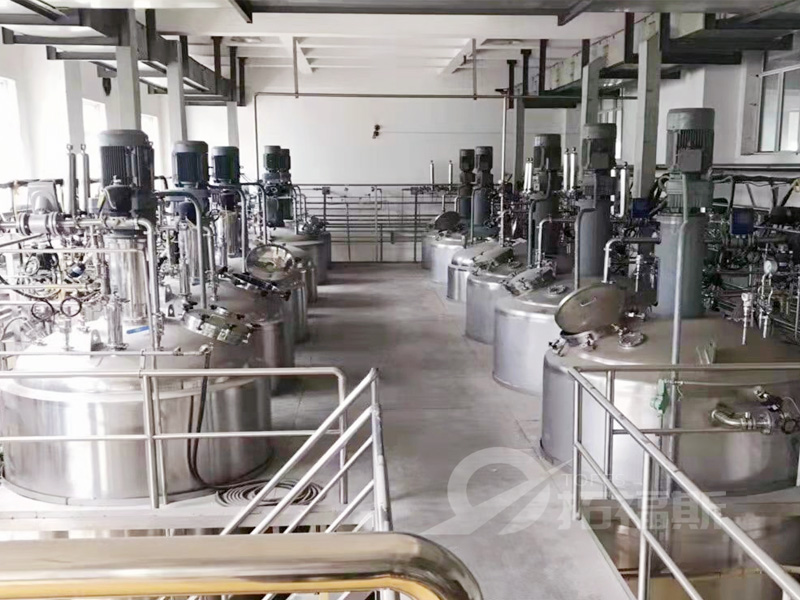
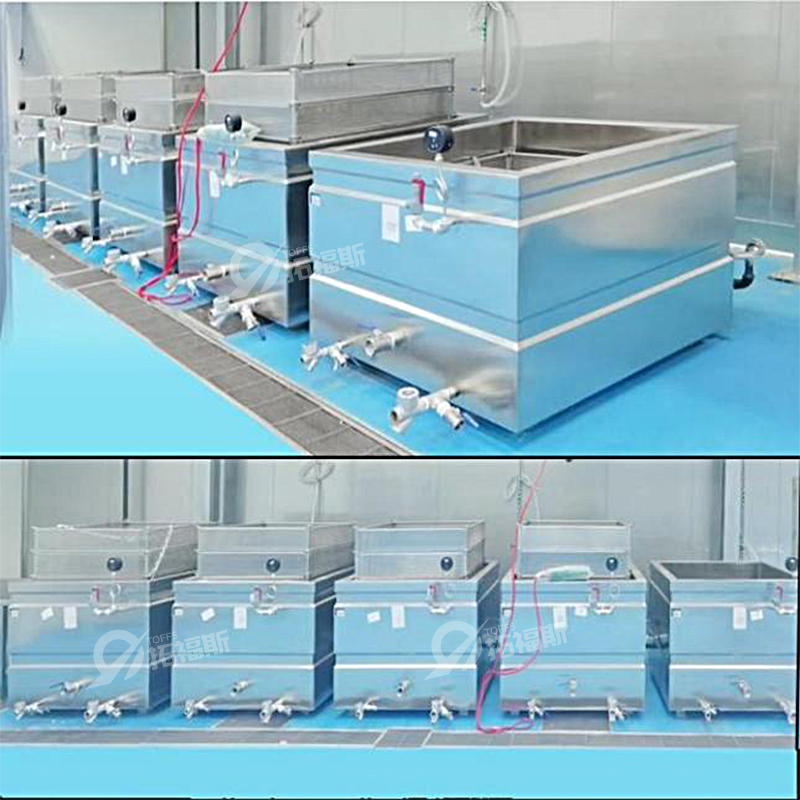
The enzymatic hydrolysis tank is a device that plays a crucial role in the food processing industry. It is usually made of stainless steel, which has excellent corrosion resistance. The enzymatic hydrolysis tank has a reasonable structural design, enabling full mixing and reaction of materials, as well as precise control of parameters such as temperature and pressure. It is equipped with a stirring system, a heating or cooling system, feeding and discharging devices, etc., providing a stable and suitable environment for the enzymatic hydrolysis reaction.
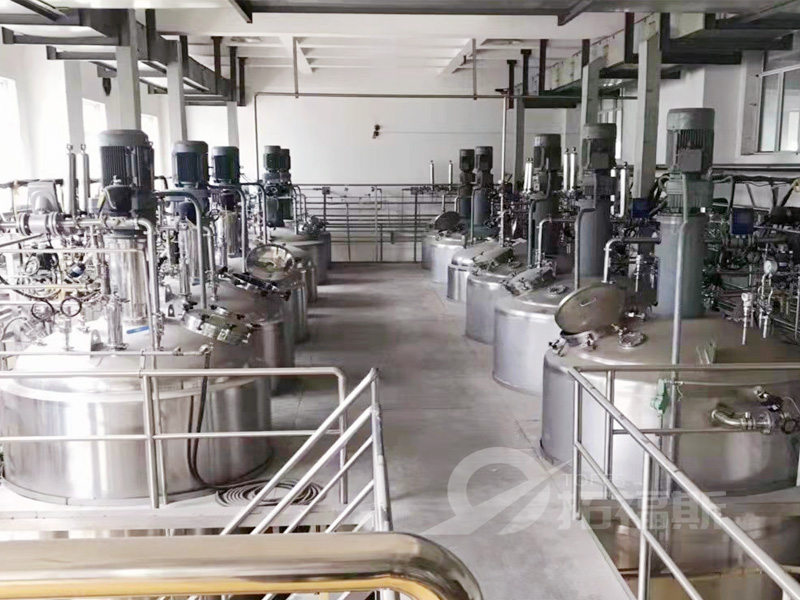
The working principle of the enzymatic hydrolysis tank is based on the catalytic action of enzymes: Macromolecular substances such as proteins and fats in bones can be decomposed into small - molecule peptides, amino acids, fatty acids, etc. under the action of specific enzymes. The enzymatic hydrolysis tank enables enzymes to exert their optimal catalytic activity by precisely controlling conditions such as temperature and pH value. For example, at an appropriate temperature, proteases can gradually hydrolyze bone proteins, and lipases can decompose fats. At the same time, the stirring system ensures full contact between the enzymes and bone raw materials, accelerating the reaction rate and improving the efficiency of enzymatic hydrolysis.
Put the processed bone raw materials into the enzymatic hydrolysis tank, add an appropriate amount of water and specific enzyme preparations, and then start the stirring and temperature control devices. Carry out the enzymatic hydrolysis reaction within a certain period of time, and adjust the temperature and pH value as needed during this period. After the reaction is completed, discharge the enzymatically hydrolyzed bone soup materials through the discharging device. The application of this device in the food industry is not limited to bone soup production. It can also be used in the production of other products that require an enzymatic hydrolysis process, such as meat extracts and plant protein hydrolysates. In the bone soup industry, it can improve the nutritional value of bone soup, increase the generation of flavor substances, make the bone soup more rich and delicious, and also improve the utilization rate of bone raw materials.
The enzymatic hydrolysis tank has an irreplaceable role in the bone soup industry. Through the advanced enzymatic hydrolysis process, it improves the quality and production efficiency of bone soup, bringing good economic benefits and market competitiveness to bone soup production enterprises. With the continuous improvement of the food industry's requirements for product quality and nutritional value, the application prospect of the enzymatic hydrolysis tank will be even broader.
More recommendations