



Copyright © 2025-2028 Toffs (Shandong) Machinery Equipment Co., Ltd All Rights Reserved 鲁ICP备2025142590号-1
The Role of Enzymatic Hydrolysis Tank in Enzymatic Hydrolysis of Fish Protein
2026-10-17 09:16:17View:
The Role of Enzymatic Hydrolysis Tank in Enzymatic Hydrolysis of Fish Protein
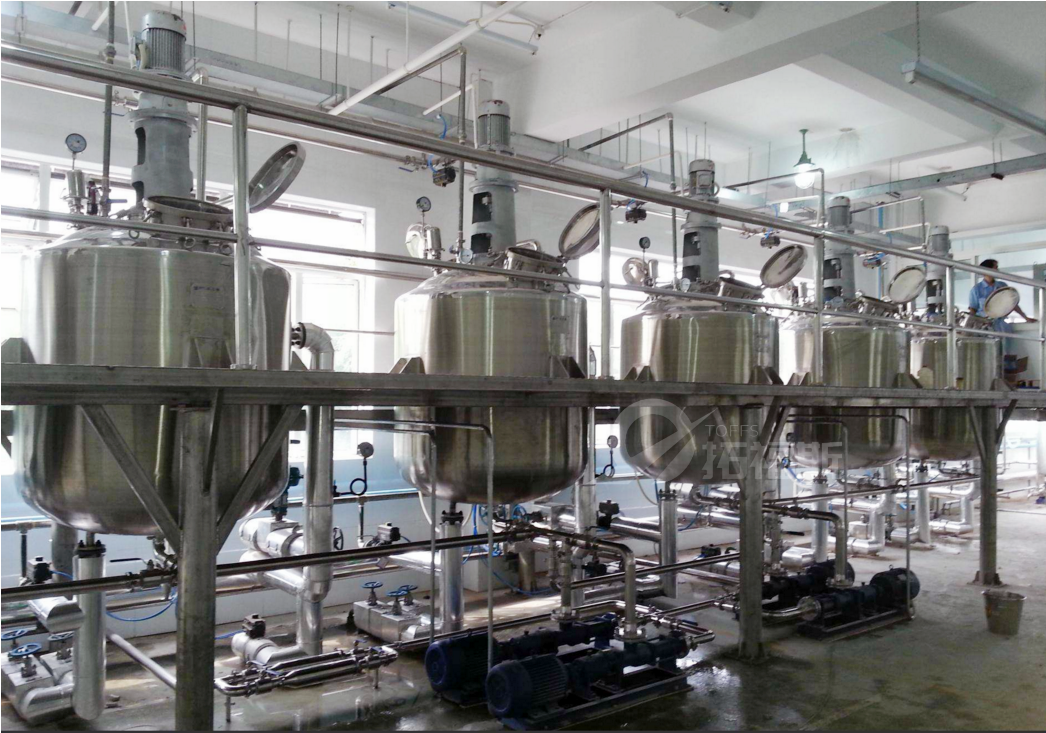
Enzymatic hydrolysis of fish protein is a process that uses proteases to break down macromolecular proteins in fish meat into small-molecule polypeptides and free amino acids. As the core reaction equipment, the enzymatic hydrolysis tank provides a stable and controllable reaction environment for enzymatic hydrolysis. It is widely used in the industrial production of fish protein peptides, fish soluble paste, aquatic feed, fish protein organic fertilizer and other products.
Enzyme activity is highly sensitive to temperature. Equipped with a jacket heat exchange structure, the enzymatic hydrolysis tank can precisely control temperature to maintain the optimal reaction temperature of proteases. After enzymatic hydrolysis, the tank can directly heat up to inactivate enzymes, quickly terminating hydrolysis to prevent bitter peptides generated by excessive hydrolysis. Then cooling water is applied to avoid material deterioration and simplify the production process.
Fish meat slurry tends to settle and stratify. The low-speed stirring system in the tank continuously mixes substrates, enzyme liquid and water phase, breaks up agglomerated fish particles, eliminates local concentration differences, enables proteases to fully contact protein substrates, improves hydrolysis uniformity, shortens reaction time and stabilizes the degree of hydrolysis.
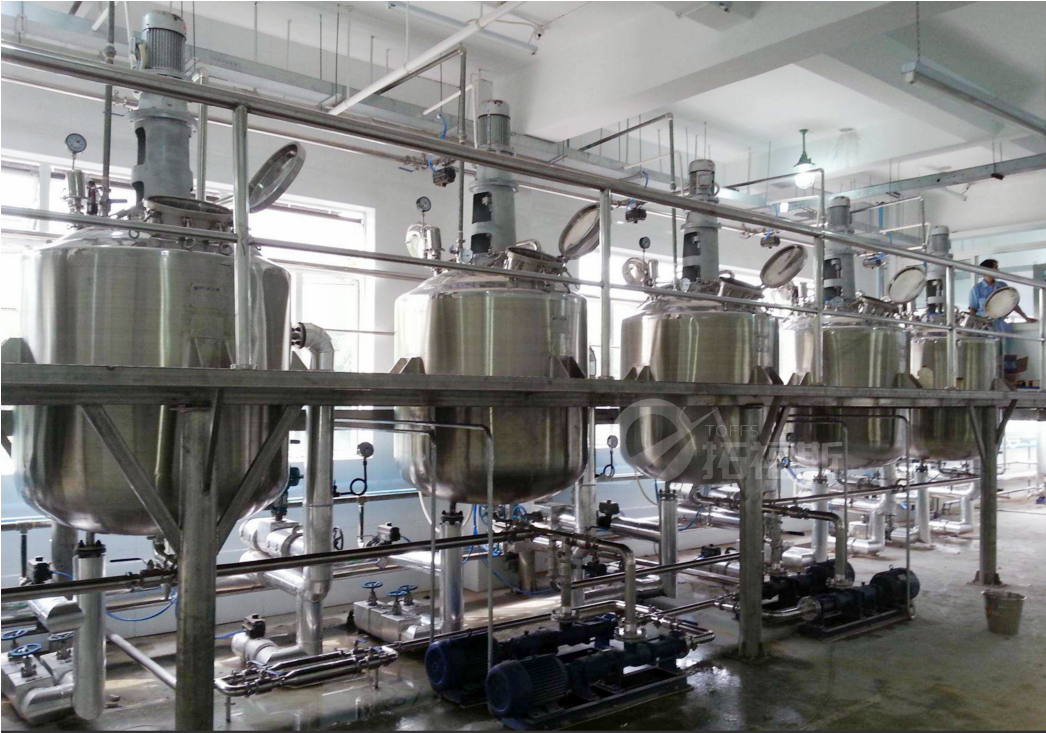
The tank body is made of 304/316L sanitary stainless steel with polished inner wall. Its sealed structure effectively isolates external bacteria, inhibits spoilage and oxidation of fish protein, reduces fishy odor and ensures material hygiene and safety. Supported by a PLC automatic control system, the whole process including feeding, pH adjustment, heat-preserved enzymatic hydrolysis, enzyme inactivation and cooling can be automated. Fixed process parameters guarantee consistent product quality of each batch and solve the problem of unstable batches in traditional open reaction.
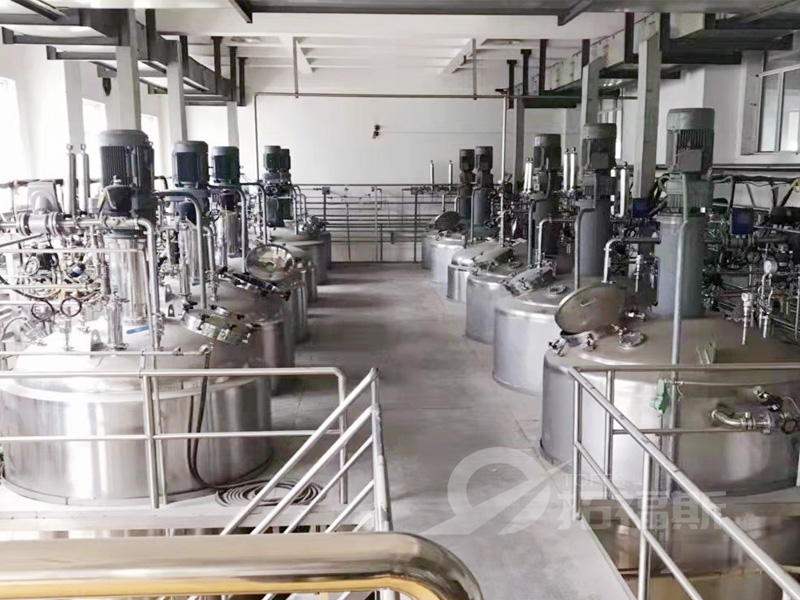
TOFFS enzymatic hydrolysis tank integrates reaction, conditioning, enzyme inactivation and temporary storage. It reduces material loss and pollution caused by multiple material transfers, and is compatible with complete fish protein production lines. It can efficiently utilize minced fish and aquatic processing by-products, convert low-value by-products into high value-added fish protein products and improve the utilization rate of aquatic processing resources.
More recommendations