



Copyright © 2025-2028 Toffs (Shandong) Machinery Equipment Co., Ltd All Rights Reserved 鲁ICP备2025142590号-1
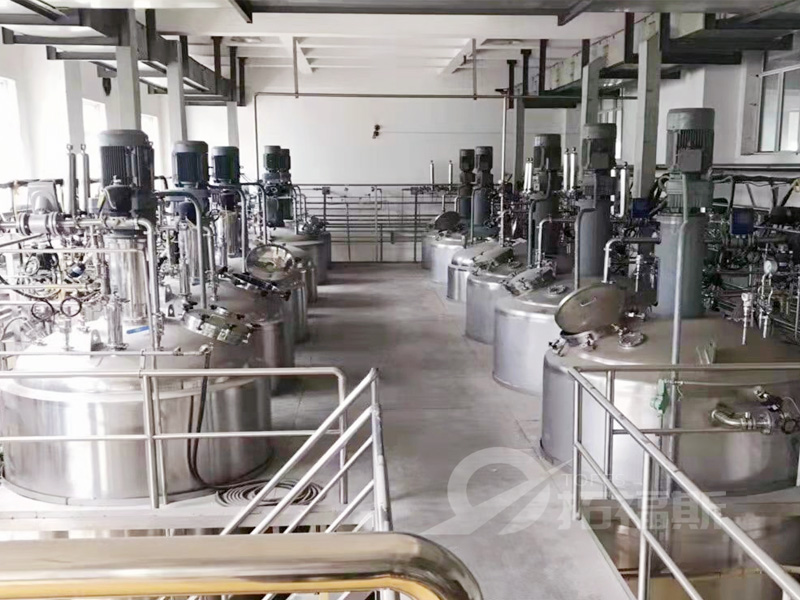
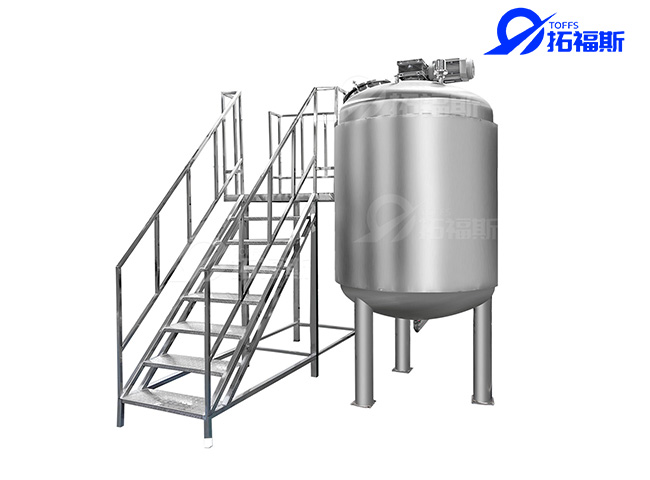
Enzymatic Hydrolysis Tank
2025-10-28 14:32:50View:
I. Working Principle of Enzymatic Hydrolysis Tank
The enzymatic hydrolysis tank operates by using specific enzymes to break down and transform macromolecules in food raw materials, such as fats, proteins, and carbohydrates. The process involves adding selected enzymes to the tank, where they mix with the food ingredients under precise conditions—including temperature, pH level, and stirring speed—to catalyze enzymatic reactions. The control system continuously monitors these parameters to ensure optimal conditions for the reaction. Upon completion, macromolecules are broken down into smaller molecules that are more easily absorbed and utilized by the human body.
II. Applications of Enzymatic Hydrolysis Tanks in Food Processing
Texture Improvement: Enzymatic hydrolysis partially breaks down proteins and fats in food raw materials, enhancing texture to achieve a smoother and more delicate mouthfeel.
Nutritional Value Enhancement: The process releases nutrients in food, making them more bioavailable and easier for the body to absorb.
Shelf-life Extension: Enzymatic treatment effectively inhibits spoilage and deterioration during storage, thereby prolonging the product's shelf life.
More recommendations